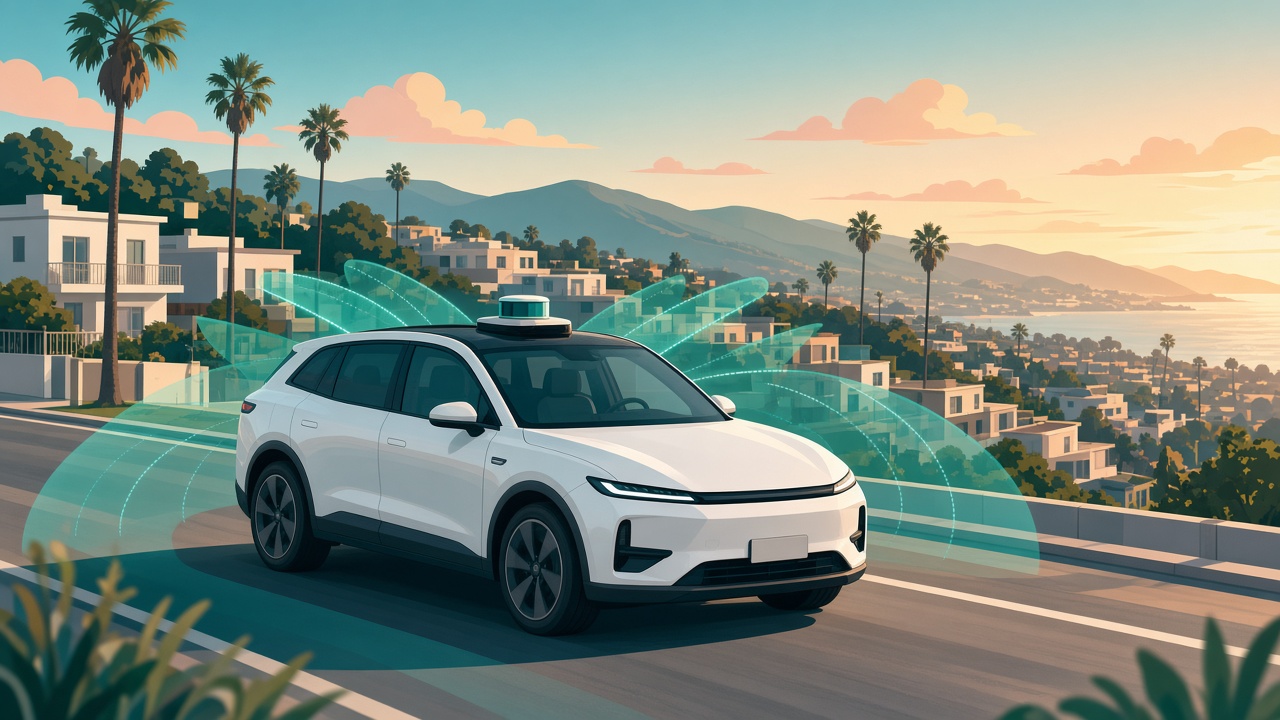
Uber and autonomous driving startup Nuro have started testing driverless Lucid Gravity SUVs on public streets in the San Francisco Bay Area, with no human safety driver behind the wheel, TechCrunch reported early on Wednesday, Malaysia time. Nuro announced the milestone on its blog, calling the removal of safety operators a critical next step on the path to a public robotaxi launch.
The companies will soon start offering driverless rides to employees, in the final lead-up to launching a commercial robotaxi service in the first quarter of 2027. The move comes more than six months after the California Department of Motor Vehicles granted Nuro a driverless testing permit in May 2026, and after nearly a year of testing the robotaxi with a safety operator on board.
A three-way bet
The milestone comes 16 months after Uber unveiled its plan for a premium robotaxi service using Lucid electric vehicles fitted with Nuro’s self-driving technology. Uber initially agreed to invest $300 million in Lucid, a figure that has since grown to $500 million, and agreed to buy at least 20,000 Lucid Gravity SUVs over six years. TechCrunch previously reported, citing sources, that Uber also agreed to invest nearly $500 million in Nuro.
For Nuro, the deal followed a risky pivot away from building its own driverless delivery vehicles and towards licensing its autonomous driving technology to automakers and mobility companies.
What’s on the road
The Lucid Gravity robotaxi, unveiled in January 2026, carries high-resolution cameras, solid-state lidar and radar. Uber will own and operate the fleet and has focused on the in-cabin rider experience. The partners are also testing with safety operators in Houston, alongside closed-course testing and simulation. Their engineering fleet, which stood at 100 vehicles earlier this year, is growing as Lucid starts building the first production robotaxis at its Arizona factory.
The Next Unicorn take
Pulling the safety driver is the step that separates a demo from a business, and it puts Uber, Nuro and Lucid on a clearer path to compete with established robotaxi players in the Bay Area. For Nuro, it is also a test of its licensing model: a smooth 2027 launch would make its technology easier to sell to other carmakers. The big questions are how fast the fleet scales and how the service performs once paying riders get in.