Bharat Semi, a New Delhi-based semiconductor startup, has raised $24 million in seed funding to develop AI-enabled image sensors and win customers in the United States and other markets, TechCrunch reported on Monday morning, Malaysia time.
The all-equity round was led by Info Edge Group, South Park Commons and Indus Bridge Ventures, with participation from Valour Capital, Micromax, Gaingels and individual investors. The company plans to use the money to grow its engineering team, finish product development and bring its sensors to market.
From sensors to “sense-making”
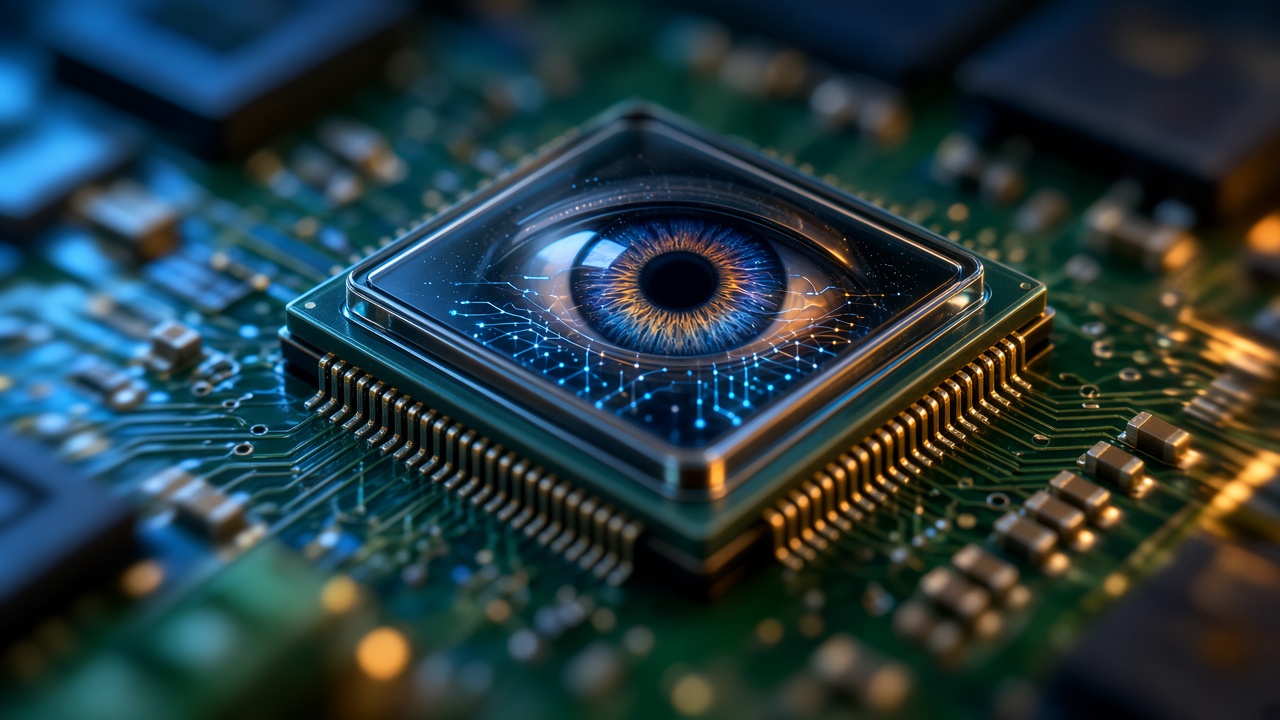
Bharat Semi is building programmable image sensors that combine image capture, processing and AI on a single chip, so devices do not need to send visual data to a separate processor. Co-founder Vrinda Kapoor told TechCrunch the approach could cut system costs by at least 70% compared with conventional setups that pair a separate image sensor, image signal processor and system-on-chip.
“Our aim here is to move from sensors to sense-making solutions,” Kapoor said.
On its website, the company pitches the chips as intelligent vision sensors for “physical AI”, with use cases such as air conditioners that sense where people are sitting, doorbells that recognise a delivery, and drones that spot power lines and adjust their flight path, all processed on the device. Its target markets include smart homes, industrial automation, surveillance and aerospace.
Design wins, but no revenue yet
The nearly five-year-old startup is still pre-revenue. It says it has secured design wins with US defence technology company General Atomics and India’s Kaynes Semicon. Its first-generation sensors are in prototyping, second-generation chips with more advanced AI are expected to reach the prototype stage by mid-2027, and initial commercial production is targeted for 2027.
Kapoor, a South Park Commons fellow with a background in healthcare technology, co-founded Bharat Semi in late 2021 with managing director Vinayak Dalmia, formerly of McKinsey and private equity. Chief technology officer Boyd Fowler previously held the same role at image-sensor maker OmniVision.
The company has about 75 employees across India and the US, including 10 to 12 in Santa Clara, and plans to grow its US headcount to around 20 by mid-2027. It has also started hiring engineers in Europe. Bharat Semi intends to stay fabless, and Kapoor said the new funding will not go toward a separate fabrication project it announced in 2024 with a technology partnership involving the US Space Force.
The Next Unicorn take
India has committed billions of dollars to building a domestic chip industry, but it is still far from being a major manufacturing hub. Fabless design houses like Bharat Semi offer a faster route into the market: they can go after specialised, high-value niches such as edge AI vision without the cost of a fab.
The bet is that putting AI directly into the sensor will matter more as cameras end up in appliances, robots and drones where power, cost and privacy are tight. The risk is timing. With commercial production not expected until 2027, Bharat Semi will need to turn its design wins into volume orders before larger sensor makers ship similar on-chip AI of their own.