Daydream, the AI fashion shopping startup founded by former Stitch Fix chief operating officer Julie Bornstein, has launched Daydream Agent, an AI personal stylist that can plan outfits, let shoppers try clothes on virtually and complete purchases, TechCrunch reported early on Wednesday, Malaysia time.
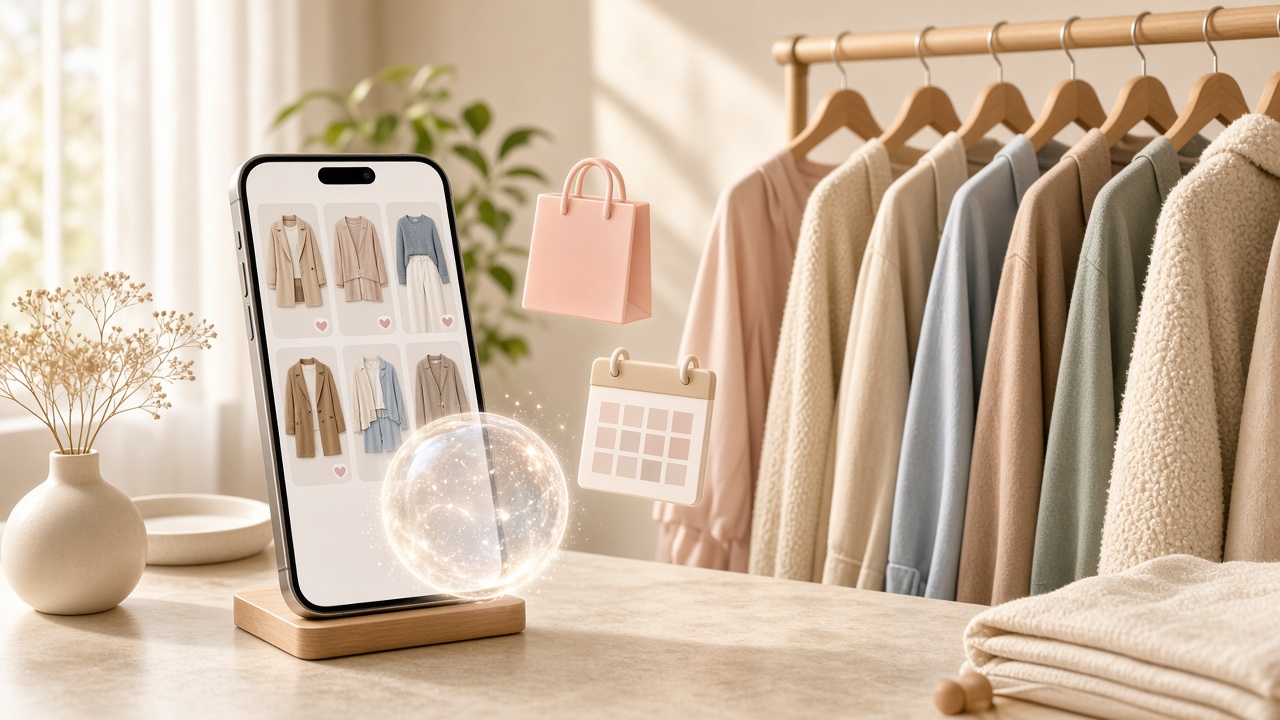
The agent builds on the company’s earlier AI chatbot, which could suggest outfits but could not buy anything. The new version remembers each shopper’s style, fit preferences and budget, and lets users upload a photo to virtually try on items they have saved. When they find something they like, the agent can check out in one click.
From search to shopping assistant
Beyond recommendations, Daydream Agent can watch for sales and new drops from brands, send weekly updates and flag new trends. Instead of a cart, shoppers save pieces to a persistent “clothing rack” to compare before buying. They can also connect their own closet and calendar so the agent builds outfits around clothes they already own and plans what to wear for upcoming events.
According to TechCrunch, the agent pulls real-time prices and availability from a catalogue of more than 10,000 brands. It runs on fine-tuned OpenAI, Gemini and Claude models alongside Daydream’s own models trained for specific tasks.
The company is also keeping a human in the loop. This month it brought on its first stylist in residence, Francesca Salih, an international fashion stylist and founder of StyleGrid, whose styling content feeds the fashion knowledge database that the agent uses.
Backed by $50 million
Bornstein, who also founded The Yes before it was acquired by Pinterest in 2022, started Daydream in 2023 as an AI search engine for fashion. The startup has raised $50 million from Forerunner Ventures, Index Ventures, GV and True Ventures, and says more than 2 million shoppers have used it since its June 2025 launch.
The Next Unicorn take
Shopping is emerging as one of the clearest uses for consumer AI agents. TechCrunch notes that Meta has said shopping is a top activity for users of its Muse agent. That puts a specialist like Daydream up against much larger platforms. Its bet is that fashion needs more than a general assistant can offer: deep brand coverage, a memory of personal fit and taste, and human styling input. Adding checkout is the important step, because it turns Daydream from a discovery tool into a channel that can earn revenue on every sale.