

In a significant development for the burgeoning field of artificial intelligence, humans has raised $480 million in a seed funding round. Zemo co-founders Eric Zelikman, Andi Peng and Yuchen He just started the company three months ago. Their vision is to develop the world’s “central nervous system” for this new human-plus-AI economy. This new and exciting initiative aims to improve understanding, cooperation and coordination between humans and AI resources, creating a dramatic shift in workplace culture.
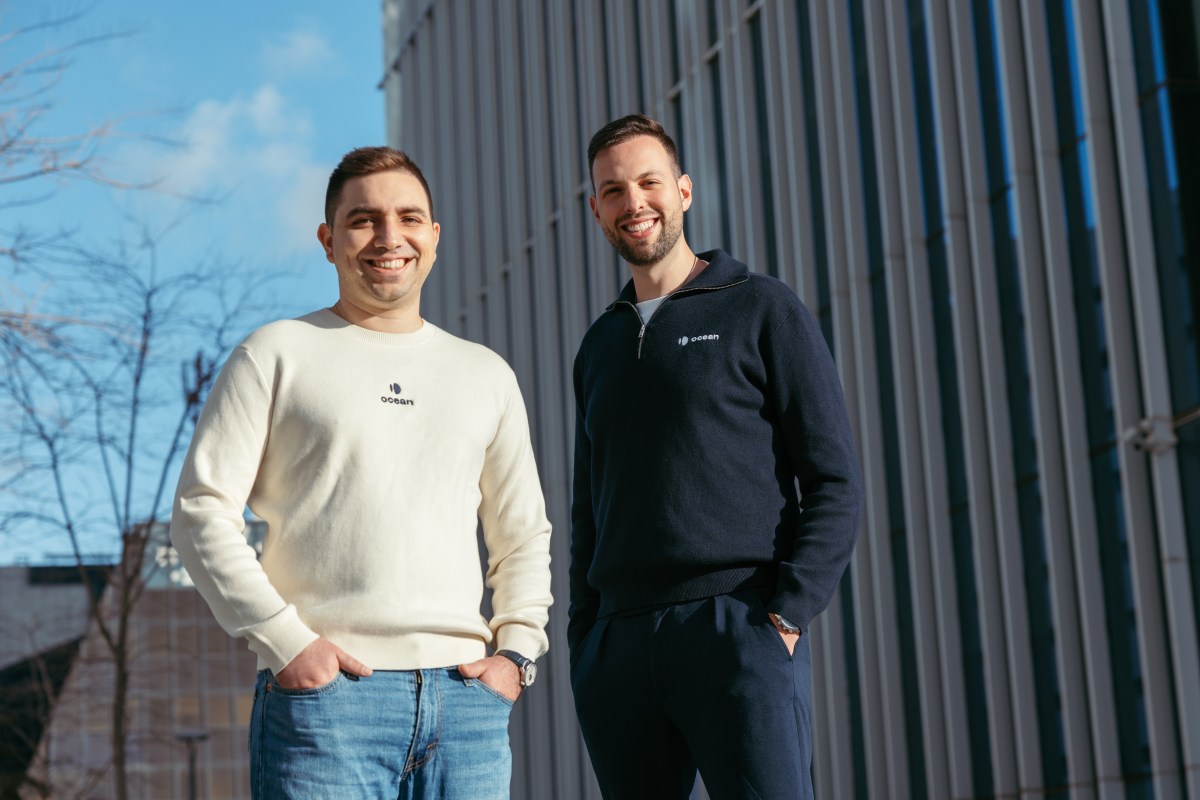
Eric Zelikman is co-founder and CEO of humans&. Prior to this, he was a researcher at xAI, motivated by his love for helping redefine how humanity interacts with AI. Former Anthropic employee Andi Peng and former OpenAI researcher Yuchen He both round out the cohort with him. Combined, they have a depth of experience that is unmatched within the startup. They imagine a future with AI as the connective tissue between organizations. This AI will be designed with the goal of understanding the skills, motivations, and needs of each individual.
The vision behind humans& is more than just automating tasks, it’s about finding new ways to coordinate and collaborate across teams and industries. Today’s AI chatbots are designed to engage a single user at any given time. For one, they have a hard time understanding the subtleties of human communication. The founders believe that by building a product centered on effective interaction, they can significantly enhance users’ experiences with AI.
To realize this vision, humans& is building a model trained end-to-end using long-horizon and multi-agent reinforcement learning (RL). This model is not simply reactive to developer commands. It speaks to its users as a trusted advisor, co-worker or family member might. This strategy is intended to inspire honest conversations and encourage creative teamwork to strengthen the connection between art, urban design, and policy.
Zelikman highlighted the role of group dynamics in decision-making with equity and inclusion at the center. “Like when you have to make a large group decision, often it comes down to someone taking everyone into one room, getting everyone to express their different camps about, for example, what kind of logo they’d like,” he stated. This emphasis on human connection embodies humans’ underlying principle that positive collaboration is the bedrock of powerful work.
Reid Hoffman, co-founder of Linkedin and current investor in humans&, had some thoughts on why it’s so important to know your workflow pain points. “AI lives at the workflow level, and the people closest to the work know where the friction actually is,” he remarked. He voiced the importance of including frontline workers in critical conversations about what should be automated and how work could be redesigned. He further underscored the critical role of human-augmenting AI.
Along with the creation of this model at humans& comes the promise to constantly improve it through an iterative process. Yuchen He noted, “We’re trying to train the model in a different way that will involve more humans and AIs interacting and collaborating together.” This collaborative training process aims to enhance the model’s capabilities while ensuring that it evolves alongside user needs.
Zelikman expressed confidence in the company’s potential impact: “We believe this is going to be a generational company, and we think that this has the potential to fundamentally change the future of how we interact with these models.” His optimism is indicative of both the founders’ enthusiasm for their deep bench of assembled talent and their outside-the-box approach to innovation.
Every feature of the product design is deeply connected with the model’s potential. Andi Peng explained, “Part of what we’re doing here is making sure that as the model improves, we’re able to co-evolve the interface and the behaviors that the model is capable of into a product that makes sense.” This makes sure that as technology changes, and it will, that usability and effectiveness will change along with it.
Memory and its role in AI interactions can hardly be exaggerated. Yuchen He elaborated on this point: “The model needs to remember things about itself, about you, and the better its memory, the better its user understanding.” With HQ Humans we’re particularly interested in improving memory retention and culturally contextual awareness. We dream of creating an AI sidekick that responds thoughtfully, based on history.





Leave a Reply