

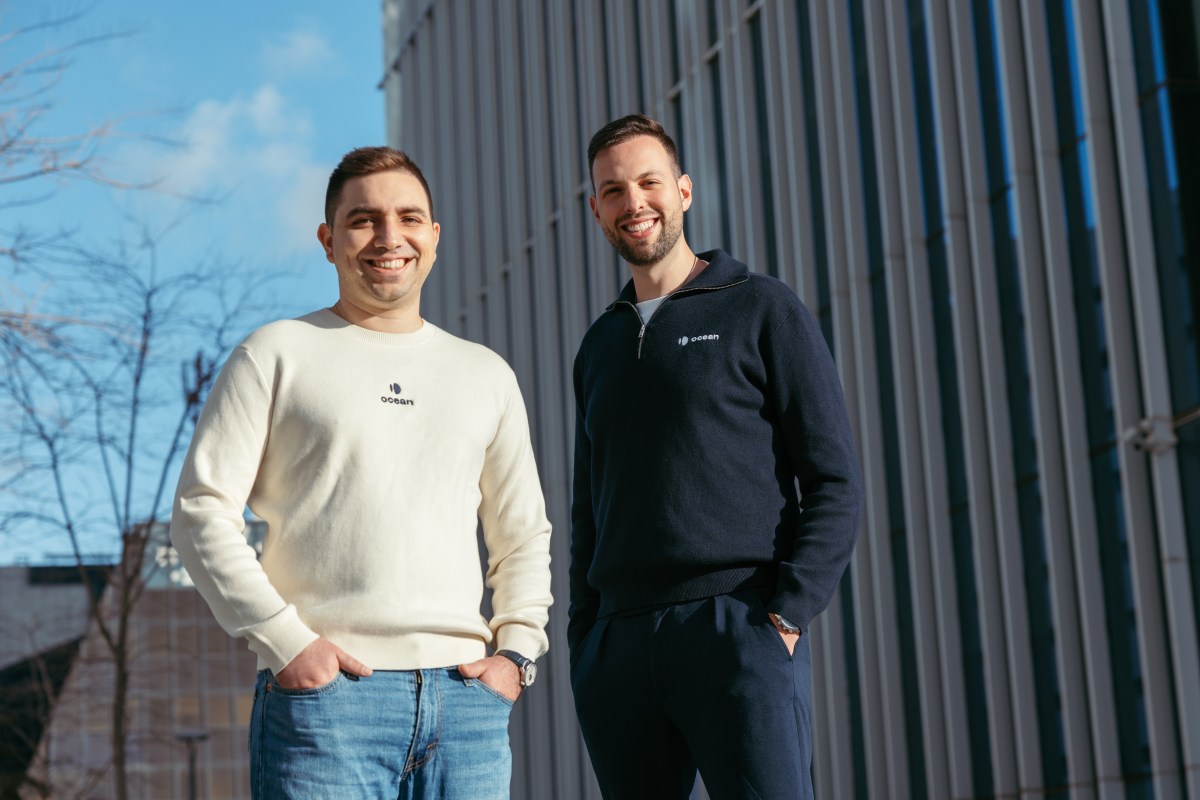
Innovative food waste recovery company Mill has been on a recent hot streak. Since then, they have combined their cutting edge artificial intelligence (AI) technology with national retailers Amazon and Whole Foods. The firm’s co-founders Matt Rogers and Harry Tannenbaum. The short film chronicles how they created the world’s first smart trash bin, which determines whether food is edible, and opened a new front in the battle against food waste.
Founded only a couple years prior, Mill had first sought to sell at-home food waste bins directly to consumers. That completes the company’s first foray into commercial markets. This step into micromobility is a strong match for the smart, long-term play it signaled in its Series A funding announcement. Mill’s smart bins employ multiple sensors to determine if food should remain on a store’s shelf or be disposed of. This technology provides a wealth of information that can help us better understand and interpret consumer behavior.
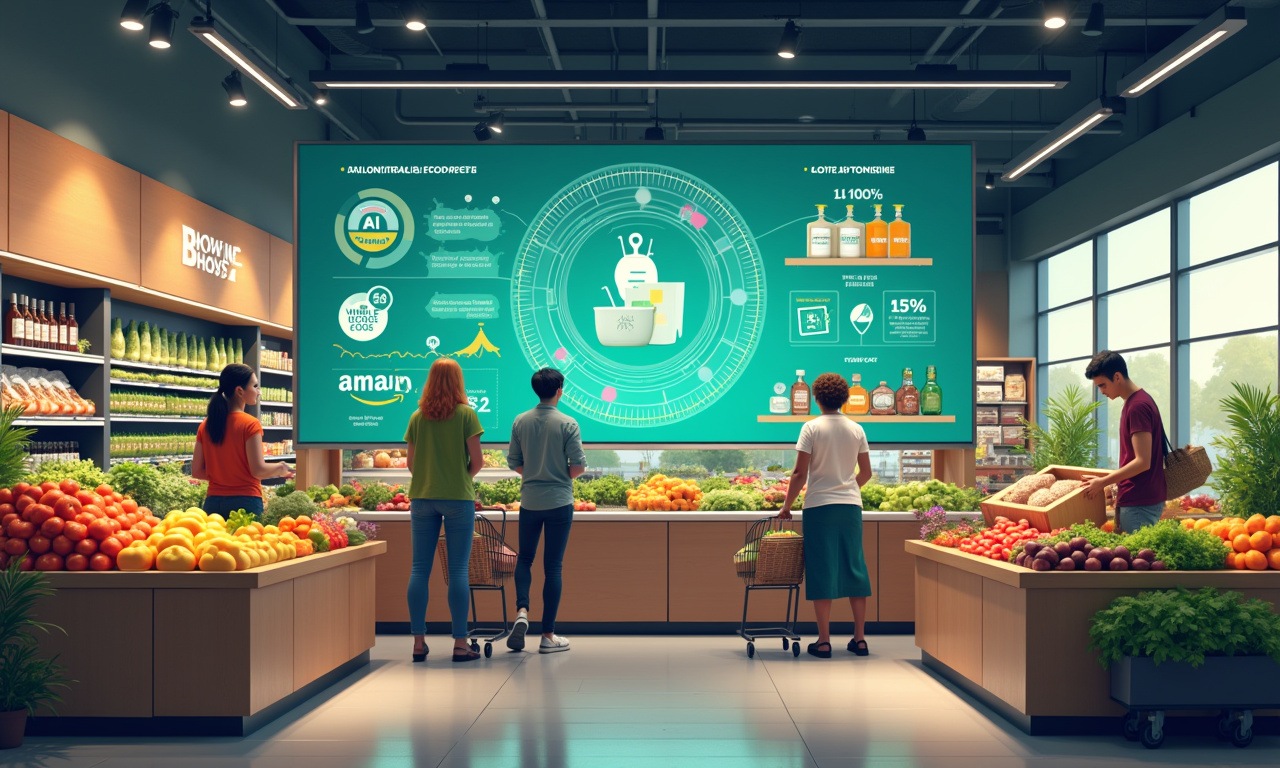
Most recently, Mill brought its consumer iteration of the food waste bin to a number of Whole Foods grocery stores. This pop up demonstration was a great opportunity for shoppers to see in real-time how the bins work. Mill gathers data on food waste to provide Whole Foods with insights on what’s being wasted and the reasons behind it. This insight eventually helps the grocer better manage costs.
As Matt Rogers, founder of Nest and former White House CTO, recently recognized, AI can be truly transformative to a company’s core operations. At Nest, he and his team required a big war chest. They hired thousands of engineers for more than a year to teach their cameras to identify people and packages. Recent new large language models (LLMs) have totally upended the equation. Yet Mill was able to produce better outcomes with only a handful of engineers and much less time.
Rogers explained that diversifying the company’s customer base was critical. “If you are a single channel, single customer business, you’re fragile,” he stated. He likened his days at Apple in the heyday of the iPod to today. He made it clear that focusing too much on a single product brings enormous dangers. “Apple at the time was a single leg business. iPod was like 70% of company revenue. This was why we did the iPhone,” he explained.
Onboarding Mill’s enterprise sales strategy involves getting senior leadership at prospective clients to trial the product in their own homes. This method helps orient them to the tech and demonstrates the practical uses of technology in their everyday lives. Rogers’ children were some of the very first to use the food waste bins. Their feedback was invaluable and critically important in determining the way that the product would be developed.
This week the company is introducing its second-generation food waste bin. With this redesign, the intent is to make the model faster and quieter than the original version. This upgrade is indicative of Mill’s commitment to advance learning and innovation in our field.
Rogers sees AI as a pivotal catalyst to Mill’s expansion. Our goal is not just to help them efficiently operate their waste operations, but to get upstream so they waste less food in the first place,” he told us. This nimble, creative mindset has made Mill a go-to solution provider. Beyond that, it positions the company as a clear leader and outspoken proponent of sustainability within the grocery industry.
Tim De Chant, a new senior climate reporter at TechCrunch, has already begun to unearth Mill’s work. He credits it with the immense potential to stem the tide of food waste at home and in commerce. Mill’s transition from serving households to targeting commercial customers underscores its ambition to scale its operations while maintaining a commitment to environmental responsibility.
Mill’s new collaboration with major retailers such as Amazon and Whole Foods Market signals an exciting new chapter. From restaurants, cafés, and grocery stores to universities, hospitals, and more – it seeks to transform how food waste is managed. Mill is pushing the envelope and growing its tentacles. They seek to be at the center of revolutionizing practices of food sustainability.




Leave a Reply